
"Yirgacheffe vs Harrar"
5000 article(s) found

Coffee Flavor description of Ethiopian Coffee Manor Coffee Flavor description of roasting degree Price planting Environment
Ethiopian coffee beans grow in close to the natural environment, after years of planting under the same growth conditions, Ethiopian coffee beans have gradually adapted to the environment here. More than 60% of coffee beans are grown in forests or semi-forests. Large-scale coffee-growing villages account for about 35% of the country's total coffee production. Many of these are used.

Flavor description of Ethiopian Coffee Manor introduction of High-quality Coffee beans in producing areas
In February 1977, Lieutenant Colonel Mengistu Haier Maryam (MENGISTU HAILE MARIAM) launched a military coup and served as Chairman of the interim military Administrative Council and head of State. In 1979, the Ethiopian Labor people's Party Organization Committee, dominated by soldiers, was established to implement an one-party system. In 1984, the Ethiopian Workers' Party was formed according to the Soviet Communist Party model. Mengistu, September 1987

A brief introduction to the History and Culture of the Origin and Development of Fine Coffee beans in Lemon and Citrus-flavored Shakiso area
The coffee producing areas of Ethiopia are Sidamo, Harald and Sidamo, Harrar and Yirgacheffe. Sidamo and Harrar are provinces and divisions. Sidamo is located in the south of Ethiopia bordering Kenya, and Harrar borders Somalia in the east of Ethiopia. Although Yirgacheffe is a community in the Sidamo region, due to soil composition and water content and other reasons.

Introduction to the characteristics of High-quality Coffee produced by the Grinding degree treatment method of Ethiopian Coffee Manor
Grade of Ethiopian coffee: Ethiopian washed coffee Yega Chuefei G1 G2 Sidamo (Yirgacheffe, Sidamo) has the highest grades 2 and 3 (G2, G3), while sun-processed coffee in eastern Ethiopia is mostly grade 4 or 5 (G4, G5). In many cases, level 4 coffee is marked as level 5 in order to reduce taxes. At present, the classification is not uniform and there are
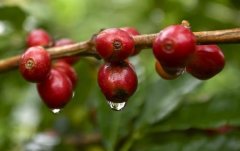
Ethiopian coffee harrar coffee sun-baked bean flavor yejia sherfie and sidamo production characteristics
Ethiopia began certifying forest coffee in 2002 with the aim of protecting coffee forests and providing farmers with a better life. Empirical data show that farmers have made considerable interventions in forest ecosystems to increase coffee production, for example, by clearing forests of undergrowth and cutting down trees. This contributes to the degradation of forest ecosystems and biodiversity, and regardless of certification

A brief introduction to the grading system of Ethiopian, Ethiopian and Bancimaji coffee beans
In the West, Ethiopian coffee is generally sold on the market as Yega Feixidamo and Harald (Yirgacheffee, Sidamo and Harrar). In the field of boutique coffee, there are also five other small places of coffee, namely Lim, Gemma, Le Campdi, Becca and Limmu, Djimmah, Lekempti, Bebeka and Wolega. What you see most often is

Grade of Ethiopian coffee | ECX rating and scoring criteria? Special selection of ECX in Yega Xuefei producing area
Professional coffee knowledge exchange more coffee bean information please follow the coffee workshop (Wechat official account cafe_style) the grade of Ethiopian coffee | ECX grading and scoring criteria? Yega Xuefei production area ECX specially selected washing G1 flavor? Ethiopian washed coffee Yega Chuefei G1 G2, the highest levels of Cedamo (Yirgacheffe, Sidamo) are level 2 and 3 (G2, G3)

Ethiopian Coffee Manor Fine Coffee Bean Origin, Development, History and Culture
It has been estimated that there are at least 2000 varieties of Ethiopian coffee and even more than 4500 kinds of coffee. Compared with the fat posture of Bourbon SL28, the main variety next to Kenya to the south, or Tibica in Central and South America and Asia, Ethiopian beans look a little malnourished. But beans can't be judged by appearance, and Ethiopian coffee has the highest citrus flavor in the world, whether it's instant coffee or

Introduction to the characteristics of the taste of the wild Yega Sheffield Adordo coffee flavor description
In February 1977, Lieutenant Colonel Mengistu Haier Maryam (MENGISTU HAILE MARIAM) launched a military coup and served as Chairman of the interim military Administrative Council and head of State. In 1979, the Ethiopian Labor people's Party Organization Committee, dominated by soldiers, was established to implement an one-party system. In 1984, the Ethiopian Workers' Party was formed according to the Soviet Communist Party model. Mengistu, September 1987

Ethiopian coffee beans G1 and G2 are just different in the number of defective beans?
Ethiopian coffee beans G1 and G2 are just different in the number of defective beans. After picking beans without special screening and treatment, uneven appearance and maturity are mixed together, the process is relatively rough, so the quality of coffee beans is unstable and prone to defective beans. two。 Coffee farmers usually find an open space near their home to deal with it, so there are often a lot of miscellaneous things on the ground.

Description of Bankimaji single-product Bean Flavor introduction to the manor of the planting and development history of the producing area
There are eight major coffee producing areas in Ethiopia: Ekempti, Limu, Illubabor, Djimma, Harrar, Teppi/Bebeka, Sidamo and Yirgacheffe. Ethiopian coffee is highly rated in Taiwan, especially for Ethiopian Harrar, Sidamo and Yirgacheffe.

Introduction to the regional treatment method of taste production in BISHAN flavor description of hambela Manor in Ethiopia
Introduction to the Regional treatment method of BISHAN Flavor description of hambela Manor in Ethiopia in Ethiopia, the grading and quality control system of coffee is divided into three levels: producer, regional and national. All coffee is inspected by local inspection agencies before leaving the country of origin, and then re-inspected at the coffee inspection and grading centers in Addis and Diredawa to determine its quality, etc.

Information material of Ethiopia Kongjia processing Plant description of Flavor of King of Africa Sun-dried Coffee beans
Professional baristas please follow the coffee workshop (Wechat official account cafe_style) King of Ethiopia Africa tanning processing plant G1 Ethiopian coffee is mainly produced in eight major areas: Ekempti, Limu, Illubabor, Djimma, Harrar, eppi/Bebeka, Sidamo, Yirgacheffe. Ethiopian coffee is highly rated in China, especially

Introduction of Yega Chuefei Omar-Abedu processing Plant (Oumer-Abedu) introduction of Yega Xuefei Coffee
Professional coffee knowledge exchange more coffee bean information please follow the coffee workshop (Wechat official account cafe_style) Ethiopian coffee is mainly produced in eight major areas: Ekempti, Limu, Illubabor, Djimma, Harrar, Teppi/Bebeka, Sidamo, Yirgacheffe. Ethiopian coffee is highly rated in Taiwan, especially in Ethiopia.

Ethiopian coffee beans characteristics, Ethiopian coffee grades
Pay attention to coffee reviews (Weixin Official Accounts vdailycom ) and find a beautiful cafe to open its own shop Ethiopian coffee beans are divided into five levels. The first and second stages are water-washed beans. Grade1 means 0~3 defective beans per 300 g of raw beans;Grade2 means 4~12 defective beans per 300 g. Gradc Grade 1 washed beans are extremely rare and generally difficult to buy.

Ethiopian Arabica coffee with rich body Original growing environment Fine coffee
The highest grades of washed Ethiopian coffee Yirgacheffe G1 G2 Sidamo are Grade 2 and Grade 3 (G2, G3), and the coffee processed in the sun in eastern Ethiopia is mostly Grade 4 or Grade 5 (G4, G5). In many cases, fourth-grade coffee is labeled as five-grade in order to reduce taxes. Now the classification is not very uniform, some chaos, because there are sun processing

Ethiopian Coffee introduces the characteristics of Fine Coffee beans in Manor producing area
In February 1977, Lieutenant Colonel Mengistu Haier Maryam (MENGISTU HAILE MARIAM) launched a military coup and served as Chairman of the interim military Administrative Council and head of State. In 1979, the Ethiopian Labor people's Party Organization Committee, dominated by soldiers, was established to implement an one-party system. In 1984, the Ethiopian Workers' Party was formed according to the Soviet Communist Party model. Mengistu, September 1987

Flavor description of Sidamo Lion King Coffee beans introduction of Grinding scale varieties and Taste Manor
Sidamo Lion King Coffee Bean Flavor description Grinding scale varieties taste Manor introduction before 1974, the production, processing and trading rights of coffee were in private hands. During the military administration, private farms were nationalized and smallholder coffee producers were snubbed. In 1991, the Ethiopian Transitional Government issued a new economic policy to encourage private businessmen to export coffee. Result,

How should coffee be roasted in Lim, Ethiopia? What flavor does lim coffee have?
Professional coffee knowledge exchange more coffee bean information please follow the coffee workshop (Wechat official account cafe_style) Ethiopian coffee is mainly produced in eight major areas: Ekempti, Limu, Illubabor, Djimma, Harrar, Teppi/Bebeka, Sidamo, Yirgacheffe. Ethiopian coffee is highly rated in Taiwan, especially in Ethiopia.

Introduction to the grading system of Bancimagi Coffee beans in Ethiopia
Although the flavor of Bancimaji Gesha estate is different from that of Panamanian Geisha, it is still worth tasting, because tonality is very rare in Ethiopia, and the ever-changing flavor of spices and fruits is worth trying. The story behind the coffee is even more shocking. In short, it is worth tasting! The Ethiopian sun is sour and sweet, and the flavor of the complex ripe fruit is a little bit.